
Your Questions, Answered
Learn more about battery storage and the Portal Way project.
Understanding Battery Storage
-
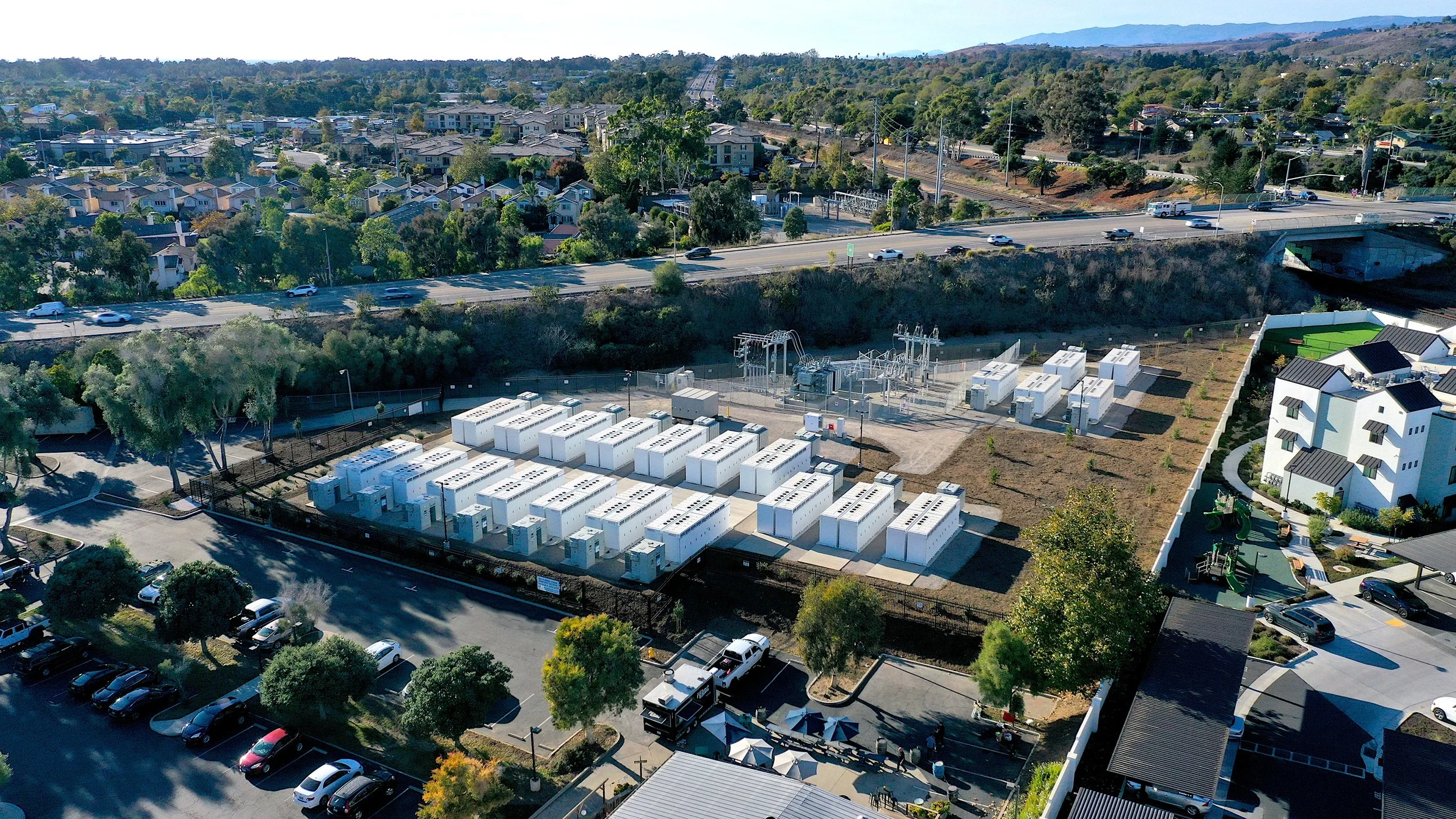
Battery energy storage systems store electricity for use at a later time. When there’s more electricity being produced than people need, often during the day when solar generation is high, extra energy is stored in batteries. When demand for electricity increases, such as in the evening or during periods of extreme heat or cold, the batteries release that stored energy back to the electric grid. Battery storage helps balance supply and demand, improves grid reliability, reduces the risk of outages, and supports greater use of renewable energy like wind and solar.
-
Like much of the region, Whatcom County is part of a broader electric system experiencing growing demand. Battery energy storage helps ensure reliable service by storing electricity when it’s available and delivering it during peak demand periods or when renewable energy generation is low. In the Portal Way area specifically, battery storage can support grid reliability close to existing transmission and substation infrastructure, reducing strain on the broader system and helping prevent outages during extreme weather or peak use events. Battery storage is one of several tools utilities and grid operators use to maintain reliability as the region’s energy system evolves.
Safety
-
Safety is one of the most common and understandable concerns about battery energy storage. Modern battery storage facilities are designed with multiple, redundant layers of safety, including continuous monitoring, temperature controls, fire detection, fire suppression, and automatic shutdown features.
Projects must comply with strict national and local safety standards, including NFPA 855, the national fire safety code specifically written for battery energy storage systems. NFPA 855 sets requirements for how batteries are spaced, monitored, and protected, and how facilities are designed so issues can be detected early and managed safely. Projects must also comply with applicable state and local fire, building, and electrical codes. These standards reflect lessons learned from earlier projects and are updated as technology evolves.
Local fire departments are involved in project review, and emergency response plans are developed in coordination with first responders before a facility becomes operational.
-
Modern battery systems are designed to reduce both the likelihood and potential impacts of a fire. Batteries are housed in individual enclosures so that if an issue occurs, it can be isolated rather than spreading across the site. Systems are continuously monitored, and abnormal conditions trigger automatic shutdowns. While no industrial technology is entirely risk-free, today’s battery storage projects are subject to significantly more rigorous safety requirements than early installations.
-
If a fire or abnormal condition occurs, systems are designed to shut down automatically and isolate affected equipment. Fire detection and suppression systems are designed to respond quickly, and site layouts provide space and access for first responders if needed. Emergency response procedures are developed in coordination with the local fire department, so responders understand the equipment, layout, and safety features in advance.

Land Use & Property
-
The land is privately owned and under agreement with GridStor for battery storage development. A portion of the property will eventually be purchased for the project.
-
The property is currently zoned as Rural Residential, and the project will require a conditional use permit for BESS to operate in this location. The project is intended to occupy a limited area of the current property. The surrounding area, including neighboring residential and commercial properties, will not be restricted in how they are used or occupied.
-
Conditional use permits are designed to allow specific uses in rural zones when they can be accommodated without changing the overall character of the area. This site was selected for the project because of its proximity to the nearby electrical substation. The project will be reviewed to ensure it is compatible with nearby homes and businesses, with attention to setbacks, noise, access, and visual screening as part of the permitting process.

Environmental Considerations
-
The project is being intentionally designed to support the conservation of California Creek and its surrounding natural areas, with setbacks that preserve natural buffers and support flood resilience. Fox Road, which was impacted during the December 2025 flooding, includes an existing creek crossing. As part of project planning, the team is exploring a new culvert at this crossing designed to meet modern engineering and environmental standards.
Upgrading this infrastructure can improve flow capacity and reduce erosion and flood impacts during high-water events. All designs would be reviewed through environmental and permitting processes to ensure compliance with local and state requirements.
-
Battery storage facilities do not involve water withdrawals, routine discharges, or ongoing industrial activity. Environmental review processes evaluate potential impacts to fish and wildlife, including salmon-bearing streams, and require appropriate setbacks, buffers, and mitigation where needed. Protecting California Creek and its habitat is an important consideration in project siting and design.

Community Impacts
-
Battery storage facilities do not operate like traditional power plants. During normal operations, sound primarily comes from cooling equipment, similar to large HVAC systems. Because there are nearby homes, noise has been identified early as an important consideration.
The project intends to follow county noise standards for the rural residential zone. To ensure standards are met, the project team conducted an Acoustical Assessment to model expected noise output from the battery storage system. Noise modeling results prompted the team to proactively incorporate noise mitigation into the project’s layout. Some of these mitigation efforts include a 100’ setback from neighboring residences, retrofitting the HVAC systems within the storage containers, a noise wall around the major power transformer, and a noise barrier on the east side of the project. GridStor recognizes the importance of being a polite and quiet neighbor and intends to continue focusing on noise mitigation as the layout evolves.
-
Traffic impacts from battery storage projects are typically temporary and mostly limited to the construction period. During construction, there will be increased truck and worker traffic, which is why access routes, safety, and road conditions are carefully reviewed as part of permitting.
For this project, access planning includes proposed improvements to Fox Road and Fox Lane, improvements include needing to widen the road to safely accommodate construction and long-term access. These changes are driven by safety and permitting requirements and are intended to improve access, drainage, and durability over time. Road work will also include improvements to nearby culverts to support fish passage. Once the facility is operational, battery storage projects generate very little day-to-day traffic, as they do not require regular deliveries or onsite staffing.